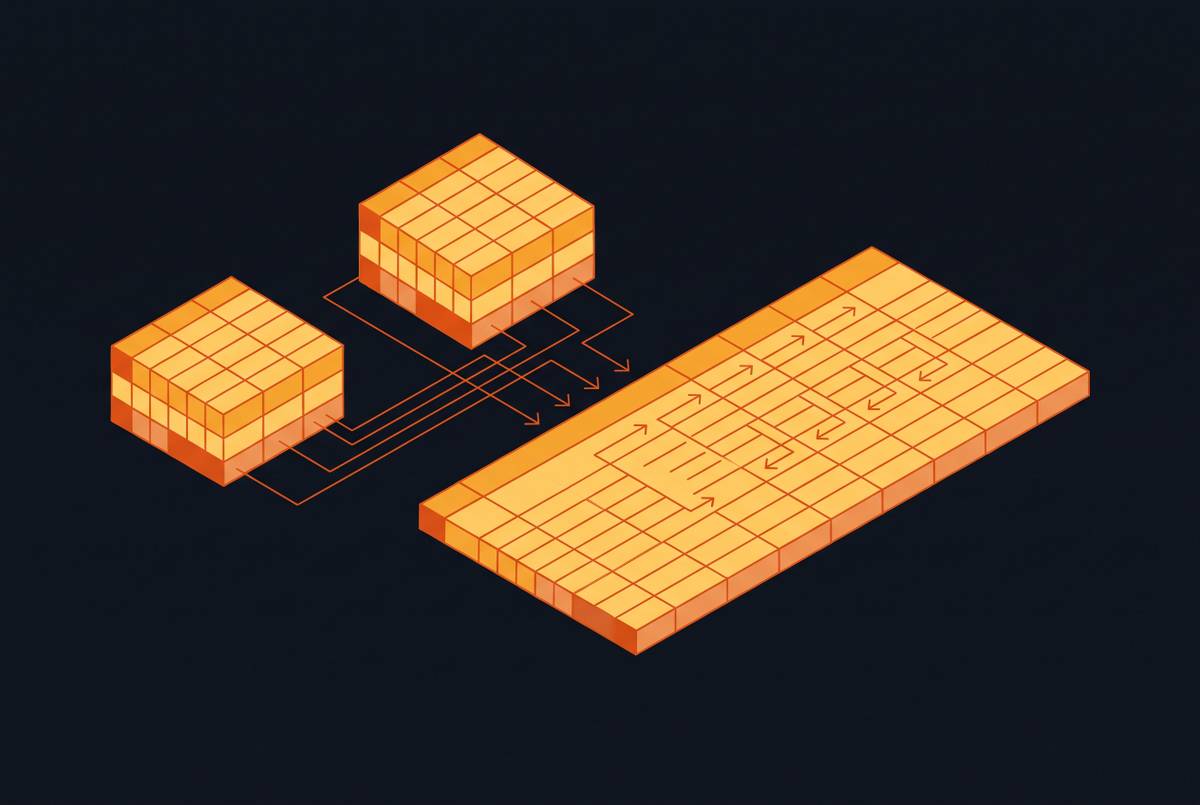
Denormalization Patterns in Columnar DBMS
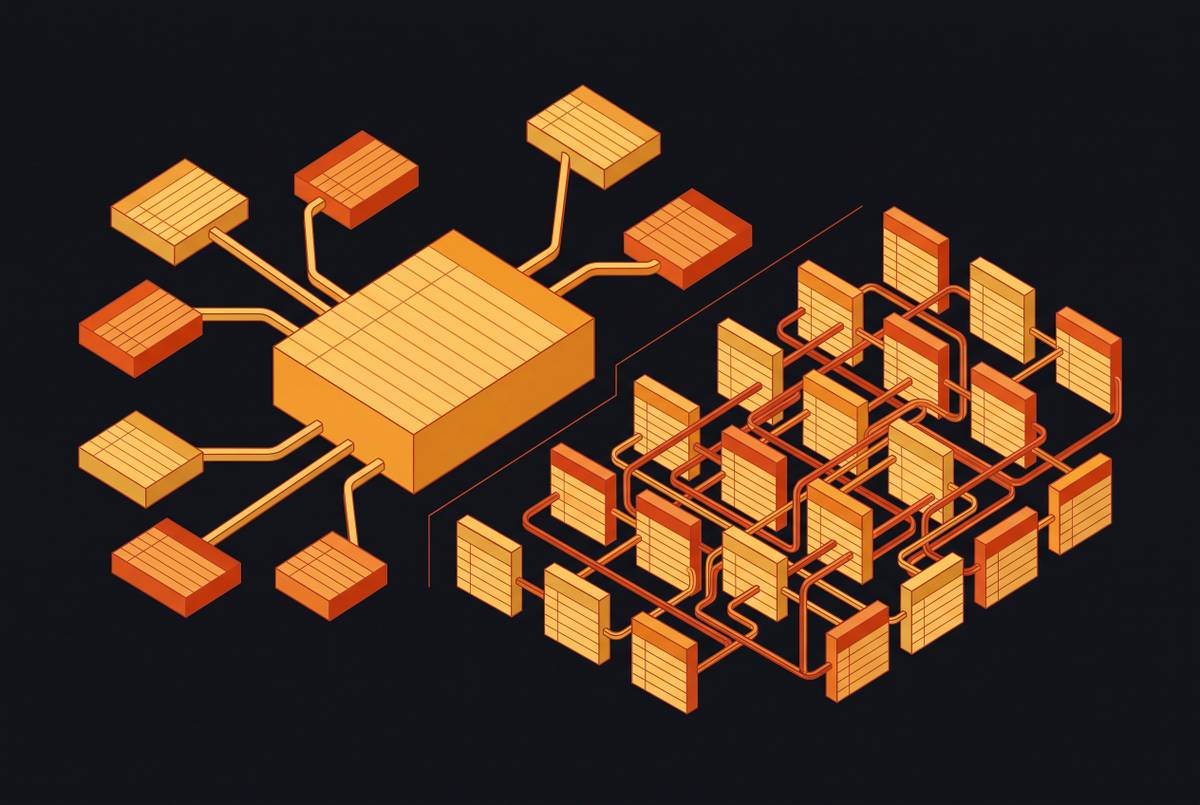
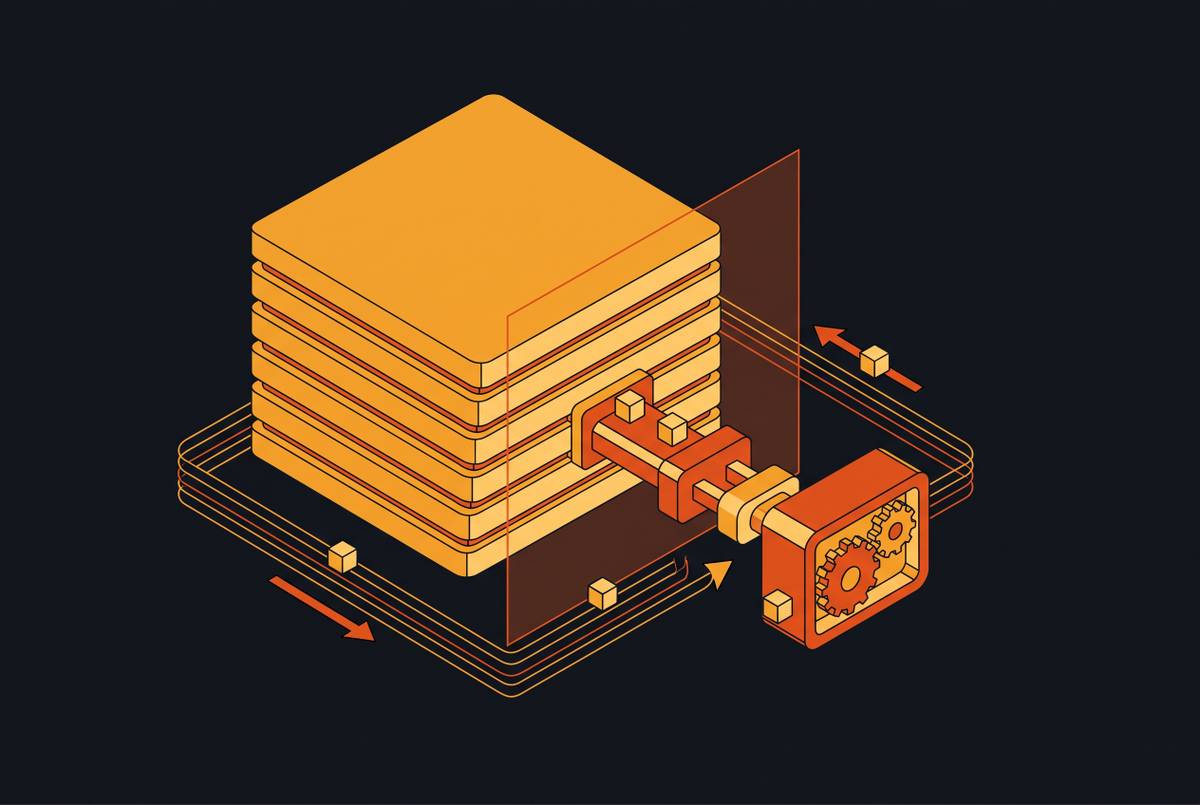
Columnar engines make denormalization practical when joins become the performance bottleneck.
Tomáš Vedral
Columnar engines make denormalization practical when joins become the performance bottleneck.
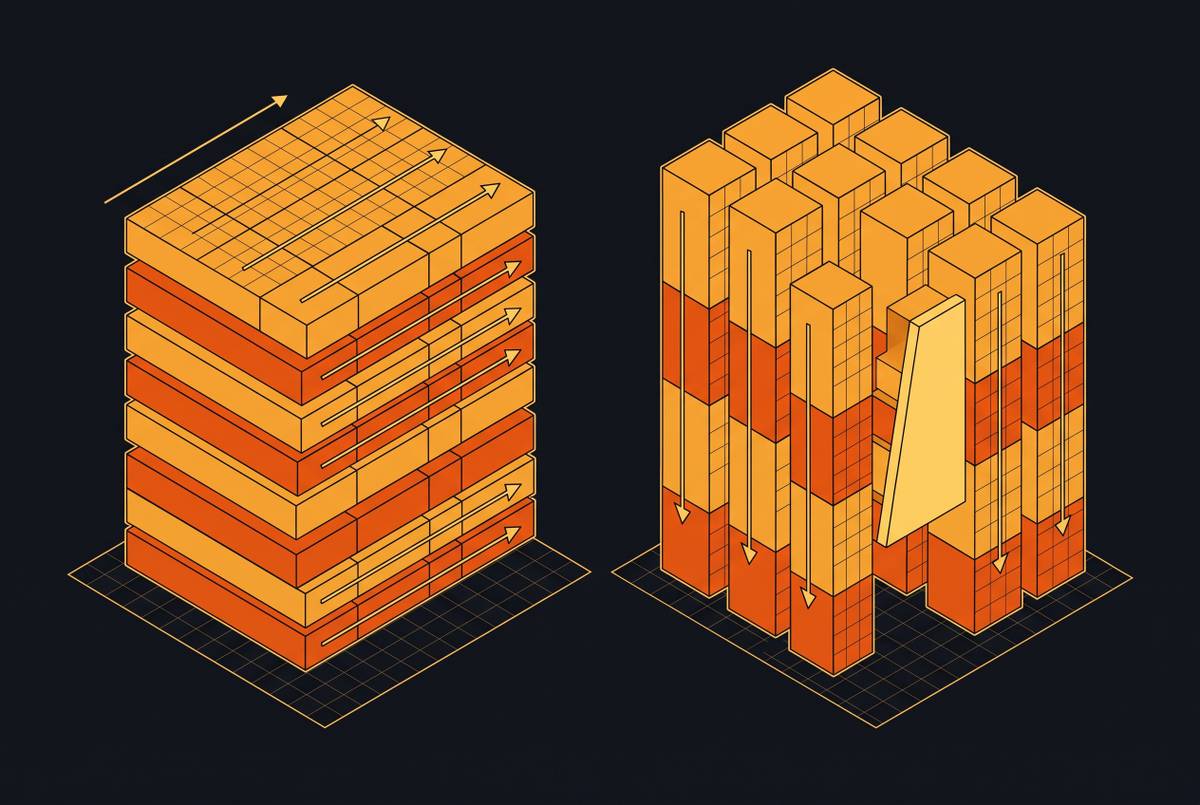
Three mechanisms explain why columnar storage crushes analytical queries when access patterns align.
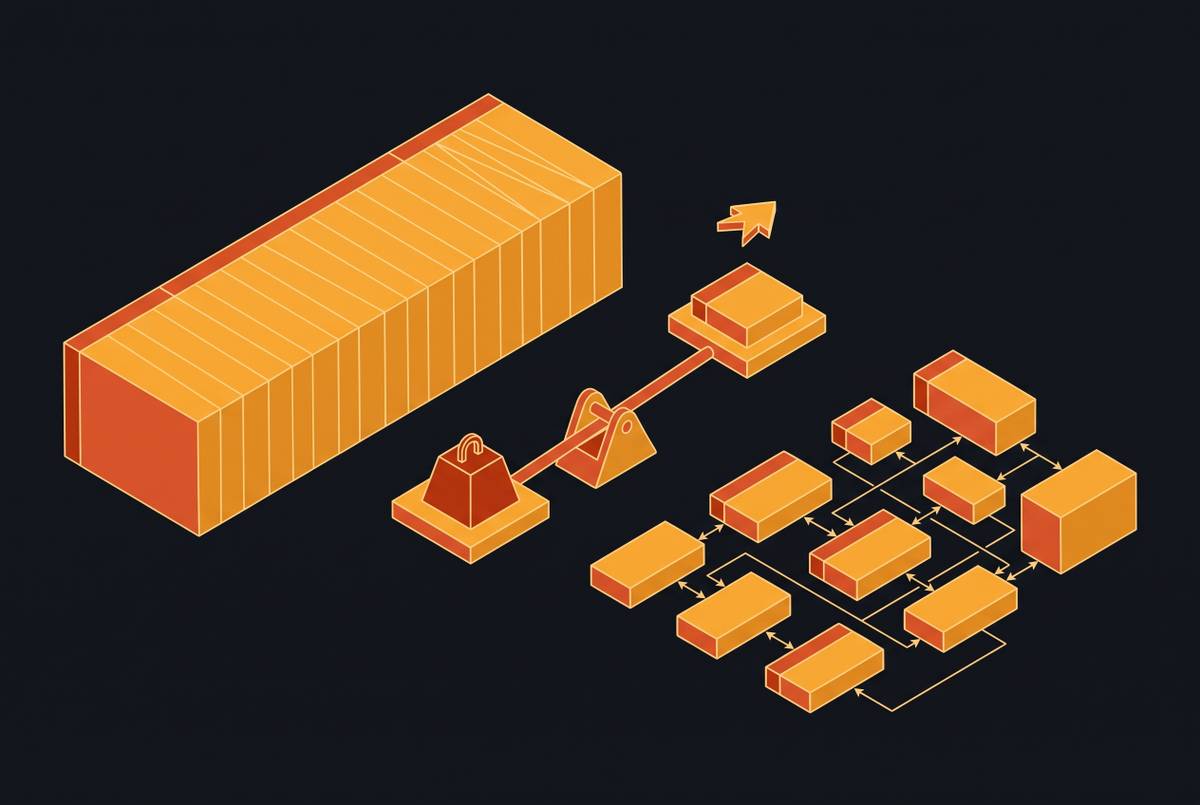
Columnar storage changed join economics but did not eliminate the denormalization tradeoff.
Normalized schemas kill analytical queries because storage layout decides everything.
Arrow database connections eliminate redundant row-column conversions, speeding up OLAP engines.
Query planners go blind when foreign functions enter analytical database plans.
Columnar engines lose speed when UDFs break the system's core assumptions about data layout.
Kappa's single-log design creates structural costs that force teams to rebuild the batch layer.
Pick the model that matches your latency requirement, not the one that sounds more sophisticated.
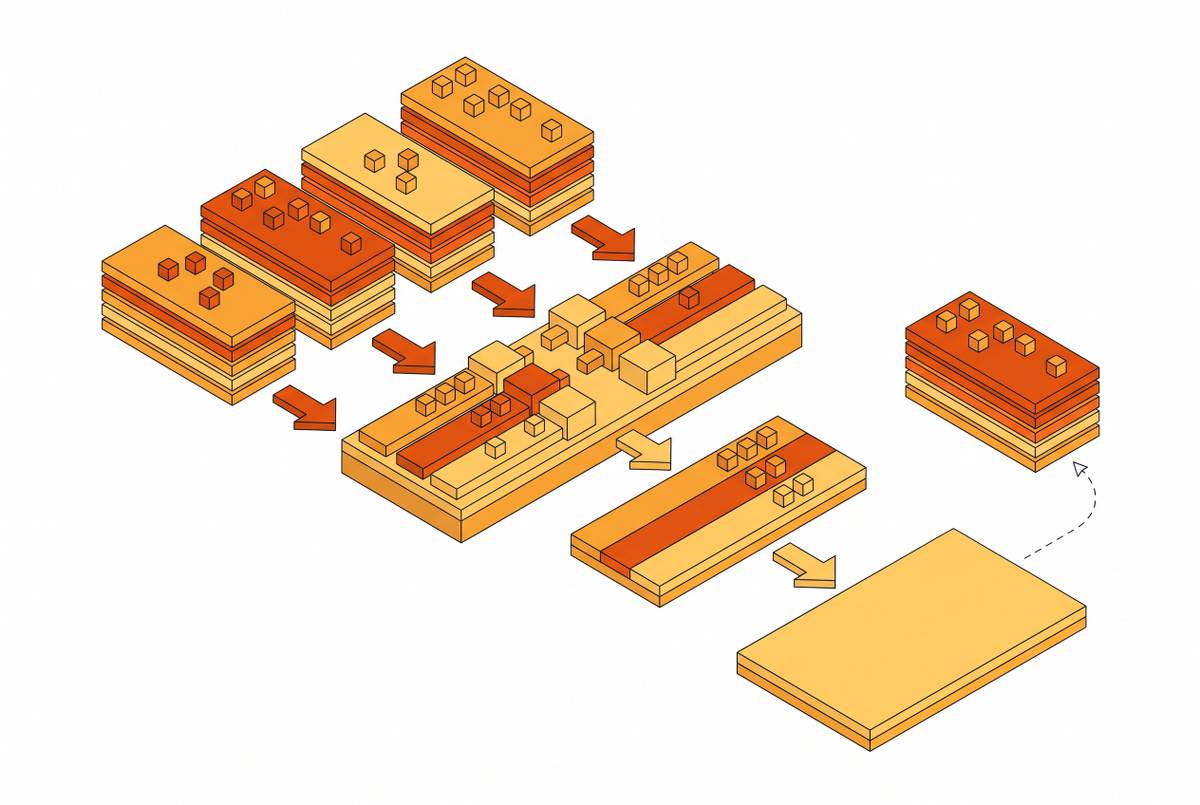
Deduplication only happens during merges, leaving duplicates queryable until that moment arrives.
Schema mismatches and query patterns survive the move, but ingestion and costs don't always follow.
How to model the four variables that predict migration downtime before cutover begins.